

MyPathologyReport.com is an internationally recognized, not-for-profit educational resource created by pathologists to help patients and families understand their pathology reports and laboratory test results. The site is visited by people from around the world who rely on it as a clear, accurate, and trustworthy source of medical information.
This page explains who we are, what we believe, what you will find on the site, and how our content is written. You will also meet the team of physicians and scientists behind the project.
Our mission
A pathology report is one of the most important documents in a person’s medical care, yet it is written in technical language meant for other doctors. Our mission is to close that gap. We believe every patient has the right to read and understand their own medical information, and we work to make that possible by explaining each finding in plain, everyday language.
By making pathology and laboratory medicine easier to understand, we help patients take part in their own care, make informed decisions alongside their healthcare team, and ask better questions. We do not recommend treatments or replace the advice of a doctor. Instead, we explain what the words and numbers in a report mean, so that the conversation between a patient and their care team can start from a place of understanding.
MyPathologyReport.ca is a registered not-for-profit charity (769563271RR0001). We are proud to partner with the American Society for Clinical Pathology (ASCP) to expand access to trustworthy, patient-centered pathology education worldwide.
What you will find on MyPathologyReport.com
Our library has grown well beyond pathology reports to cover the broader world of laboratory medicine. Whatever kind of test a patient is trying to understand, there is a clear, expert-written explanation waiting for them. Explore each area below.
Plain-language explanations of specific diagnoses, from common cancers and precancerous conditions to benign growths and inflammatory conditions. Each guide walks through what the diagnosis means and what each part of the report describes.
Clear explanations of common blood tests, what they measure, and what high or low results may mean, helping patients make sense of the numbers on their laboratory report.
Guides to the tests used to detect bacteria, viruses, and other organisms, including what a positive or negative result means and how these tests are performed.
Biomarkers and Genetic Testing
Explanations of the biomarkers and molecular tests that increasingly guide cancer care, including what each test looks for and how the result can inform treatment decisions.
Hundreds of short, clear definitions of the words and phrases that appear in pathology reports, so patients can look up any unfamiliar term in seconds.
Descriptions of the biopsies and procedures used to obtain tissue, and the types of specimens a pathologist examines, so patients understand where their sample came from.
How our articles are written
Every article on MyPathologyReport.com is written or reviewed by a practicing pathologist or laboratory physician. We hold our content to the same standards of accuracy and accountability as the medical literature, while making sure that every explanation can be understood by someone with no medical background.
- Written by experts — Each article is authored by a physician or scientist who works directly with the tests and diagnoses being described.
- Reviewed for accuracy — Articles go through a review process before publication to confirm that the medical information is correct and clearly explained.
- Written in plain language — We explain not just what a finding is called, but what it means, aiming for a reading level that a general audience can follow.
- Kept current — Content is reviewed and updated to reflect current classifications, staging systems, and testing guidelines, so the information stays reliable over time.
Meet Osler, our pathology guide
Osler is a virtual guide trained on the trusted, expert-written information from MyPathologyReport.com. Patients can paste in a phrase from their report or ask a question in their own words, and Osler explains the medical terms in clear, supportive language. Osler is not a doctor and cannot give medical advice, but it can make a confusing report feel more approachable.
See how Osler works, what it can help with, and the research behind it.
Our team
The strength of MyPathologyReport.com lies in its people. Our contributors are practicing pathologists, laboratory physicians, and scientists who diagnose disease in hospitals and laboratories every day, and who share a commitment to education and health literacy. Together, they bridge the gap between complex medical reports and patient understanding.
Editor-in-Chief
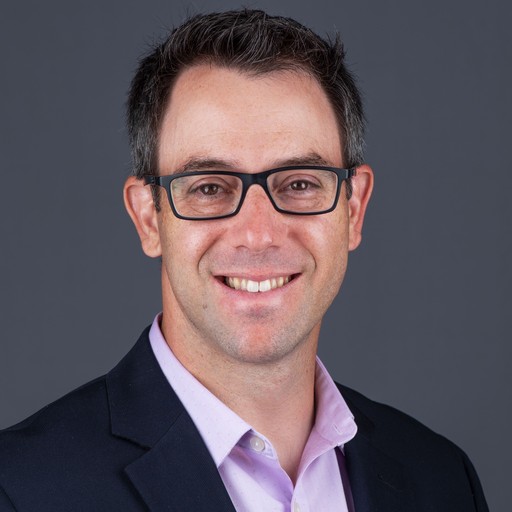
Jason Wasserman, MD PhD FRCPC
Founder and Editor-in-Chief
Dr. Wasserman is a pathologist and the founder and editor-in-chief of MyPathologyReport.com. He started the site to give patients a clear, reliable way to understand their pathology reports, and he is the primary medical author behind much of the library.
Medical Illustrations
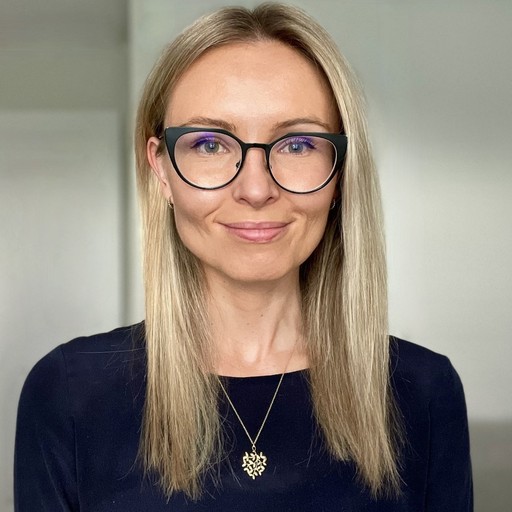
Zuzanna Gorski, MD FRCPC
Chief Medical Artist
Dr. Gorski creates the medical illustrations that help patients picture what their pathology reports describe, turning complex anatomy and microscopic findings into clear, approachable visuals.
Section Editors
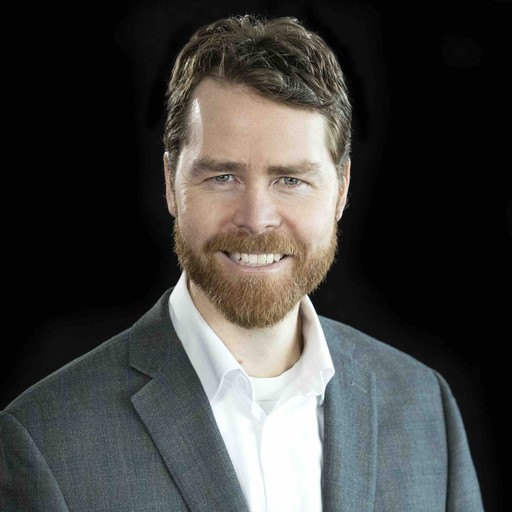
Chris McCudden, PhD
Section Editor, Blood Tests
Dr. McCudden is a clinical chemist and the section editor for Blood Tests on MyPathologyReport.com, where he helps make laboratory results understandable for patients.
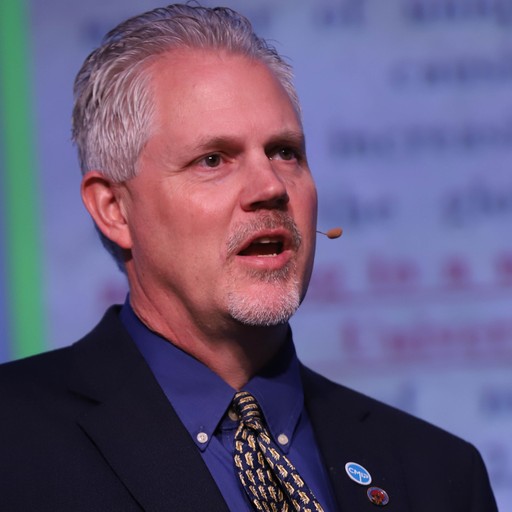
Rodney E. Rohde, PhD
Section Editor, Testing for Infections
Dr. Rohde is a clinical laboratory scientist and the section editor for Testing for Infections, where he helps patients understand the tests used to detect and identify infectious organisms.
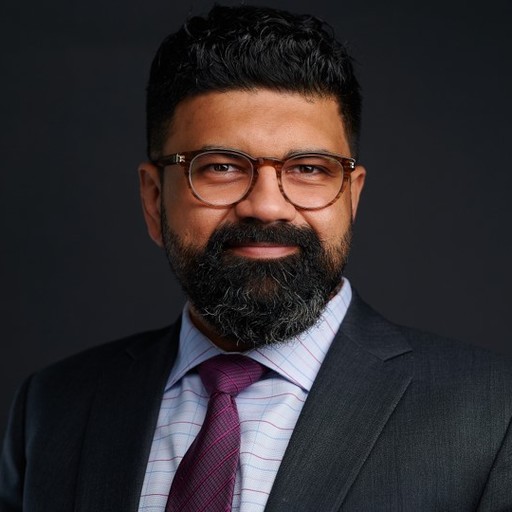
Kamran M. Mirza, MBBS PhD
Section Editor, Blood Tests and Hematopathology
Dr. Kamran Mirza is a hematopathologist at the University of Michigan and a widely recognized educator in hematology and hematopathology.
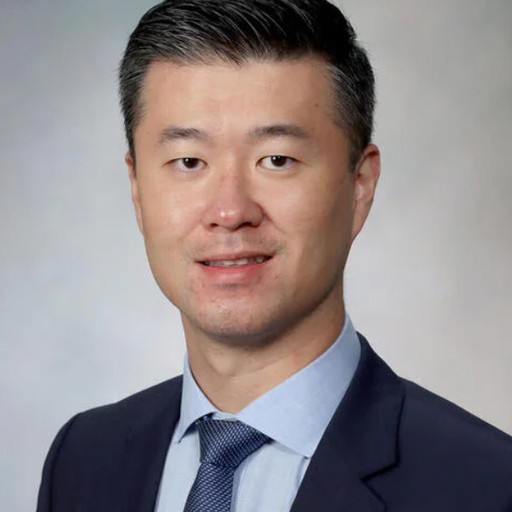
David Li, MD
Section Editor, Hematopathology
Dr. David Li is a hematopathologist at Mayo Clinic in Florida, where he diagnoses diseases of the blood, bone marrow, and lymph nodes.
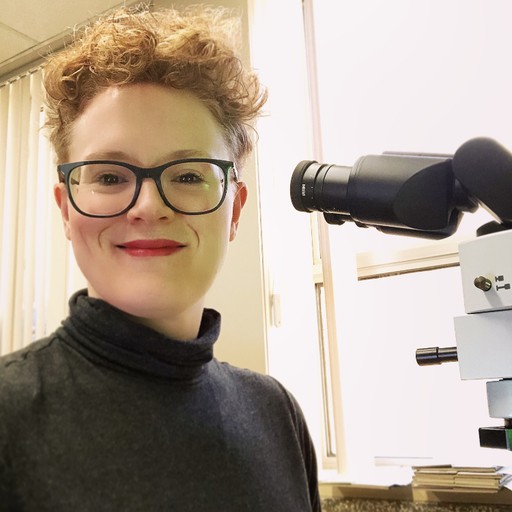
Allison Osmond, MD FRCPC
Section Editor, Dermatopathology
Dr. Allison Osmond is a dermatopathologist in the Department of Pathology and Laboratory Medicine at Memorial University of Newfoundland in St. John’s. She has a particular interest in digital pathology and in teaching dermatopathology.
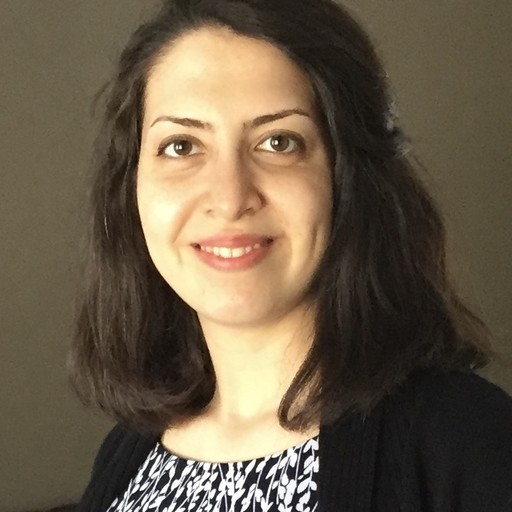
Kianoosh Keyhanian, MD FRCPC
Section Editor, Gynecologic Pathology
Dr. Kianoosh Keyhanian is a pathologist at The Ottawa Hospital and an Assistant Professor at the University of Ottawa, focusing on gynecologic, breast, and ophthalmic pathology. Her research examines the molecular features of gynecologic and breast cancers.
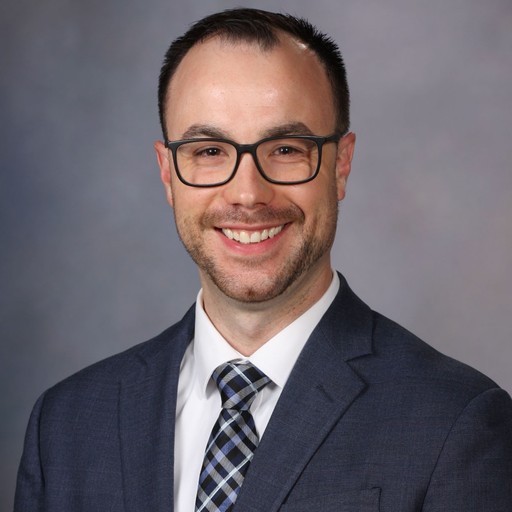
Matthew Cecchini, MD PhD FRCPC
Section Editor, Thoracic Pathology and Molecular Pathology
Dr. Matthew Cecchini is a pathologist in the Department of Pathology and Laboratory Medicine at Western University’s Schulich School of Medicine and Dentistry in London, Ontario, with a focus on thoracic and molecular pathology.
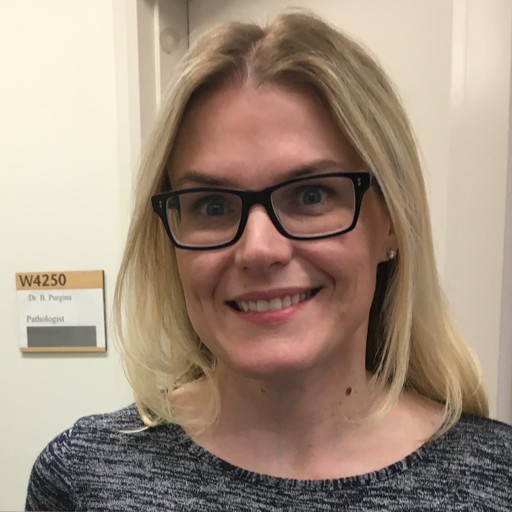
Bibianna Purgina, MD FRCPC
Section Editor, Bone and Soft Tissue Pathology
Dr. Bibianna Purgina is a staff pathologist at The Ottawa Hospital and an Associate Professor at the University of Ottawa, where she directs the Anatomical Pathology residency program. She specializes in head and neck, endocrine, and bone and soft tissue pathology.
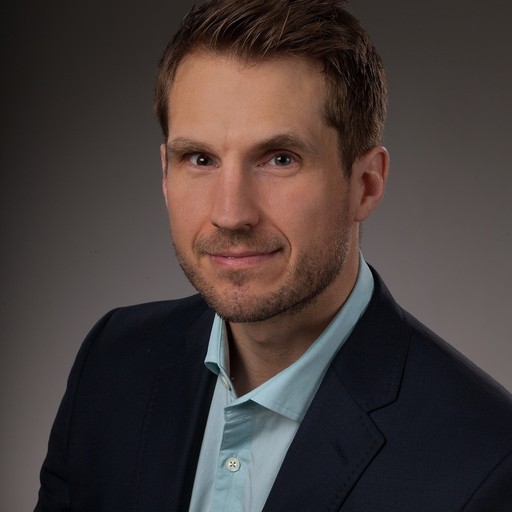
Trevor Flood, MD FRCPC
Section Editor, Genitourinary and Male Reproductive Pathology
Dr. Trevor Flood is a pathologist at The Ottawa Hospital and an Assistant Professor at the University of Ottawa, where he is the genitourinary subspecialty lead. His research focuses on prognostic features in prostate, kidney, bladder, and penile cancers.
Research and Technology Development
We have an amazing group of students who contribute to the research and technology behind MyPathologyReport.com, including the development of Osler, our pathology guide for patients.
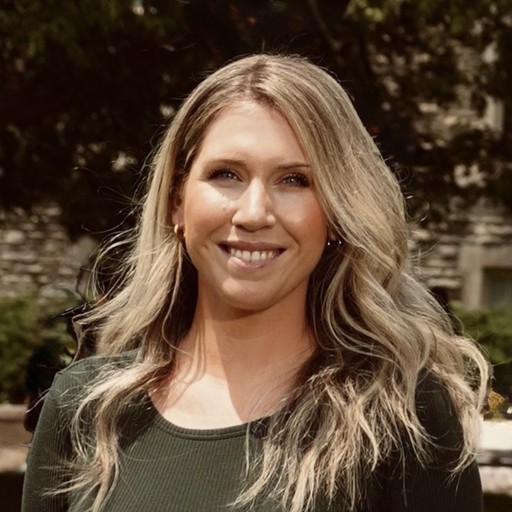
Morgan Black
Research and Technology Development
Morgan Black is a research associate and PhD candidate based in London, Ontario, whose work focuses on improving patients’ understanding of complex medical information. Her research explores the use of artificial intelligence to enhance communication in oncology, with an emphasis on clarity, safety, and patient-centered care. Through her work with MyPathologyReport.com, she helps develop tools that make pathology information more accessible and meaningful for patients.
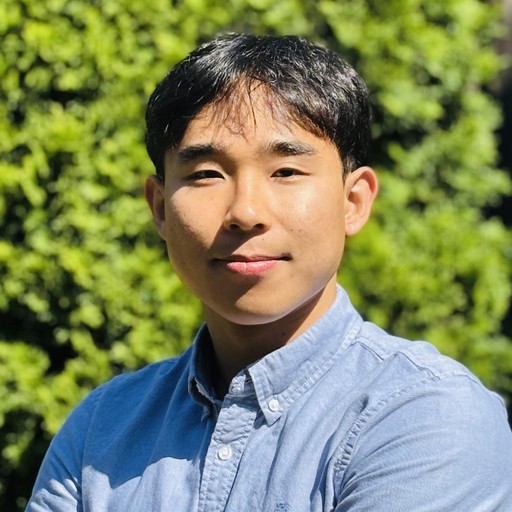
Will Jeong
Research and Technology Development
Will Jeong is a medical student (MD 2027) at the Schulich School of Medicine and Dentistry with a background in computer science from the University of Toronto. At MyPathologyReport.com, he leads frontend integration and backend development for Osler, an AI-powered tool designed to improve patient understanding of pathology reports. His work focuses on system design and building evaluation pipelines that keep explanations accurate, clear, and empathetic.
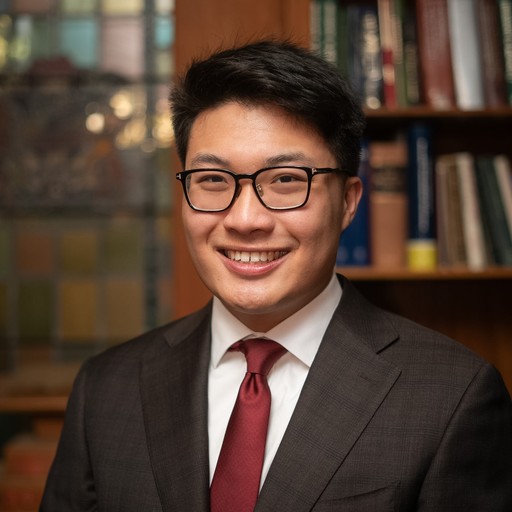
Sherman Lin
Research and Technology Development
Sherman Lin is a medical student (MD 2027) at the Schulich School of Medicine and Dentistry with experience in healthcare operations and product development. At MyPathologyReport.com, he works on product strategy and evaluation for Osler, helping translate expert pathology knowledge into a thoughtful patient-facing experience. His work focuses on using patient questions, clinical input, and structured evaluation to make explanations clearer, safer, and more useful.
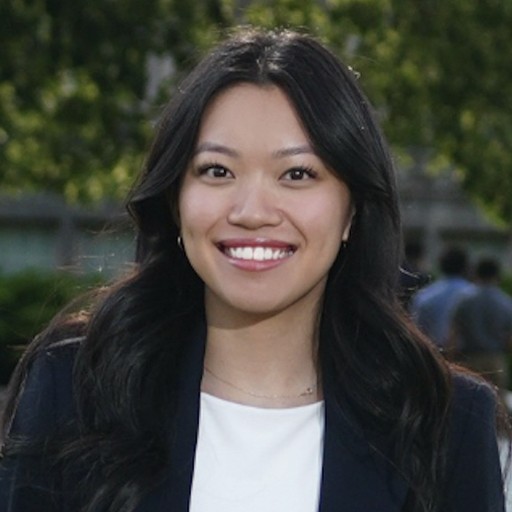
Kyla Trinh
Research and Technology Development
Kyla Trinh is a medical student (MD 2030) at the Schulich School of Medicine & Dentistry. Her research at MyPathologyReport.com examines patients’ information needs to better understand the challenges they face when interpreting pathology reports. Her work informs the development of educational resources and AI-supported tools that support patient understanding of pathology results.
Social Media and Outreach
Our outreach team helps connect MyPathologyReport.com with patients, communities, and the support groups that serve them.
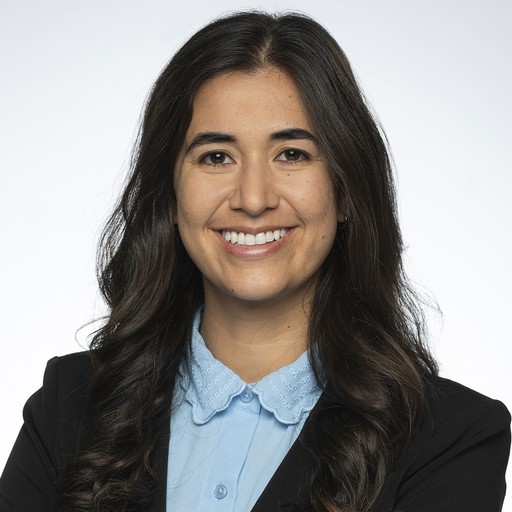
Alexandrea Tierney, MD
Social Media and Outreach
Dr. Alexandrea Tierney is a resident physician training in diagnostic and molecular pathology. She helps promote MyPathologyReport.com and builds relationships with patient support groups.
Contributing Pathologists and Scientists
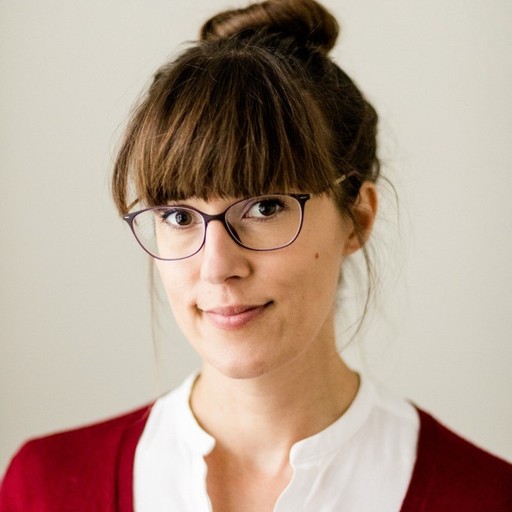
Aleksandra Paliga, MD FRCPC
Contributing Pathologist
Dr. Aleksandra Paliga is a pathologist and Assistant Professor at the University of Ottawa, based at The Ottawa Hospital.
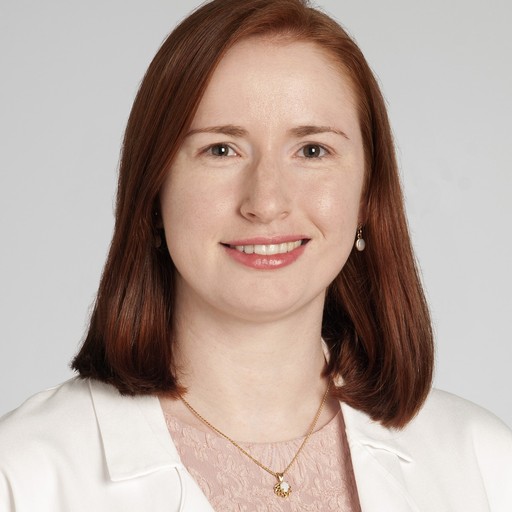
Catherine Forse, MD FRCPC
Contributing Pathologist
Dr. Catherine Forse is a gastrointestinal, hepatic, and pancreaticobiliary pathologist at The Ottawa Hospital and an Assistant Professor at the University of Ottawa. She trained at the University of Toronto and completed a fellowship at the Cleveland Clinic.
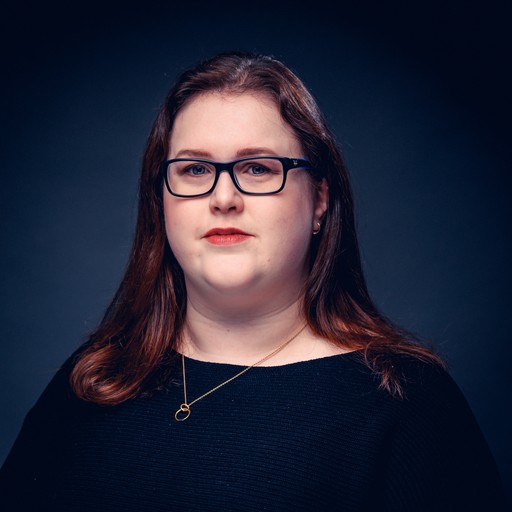
Stephanie Reid, MD FRCPC
Contributing Pathologist
Dr. Stephanie Reid is a pathologist in the Faculty of Medicine at Memorial University of Newfoundland.
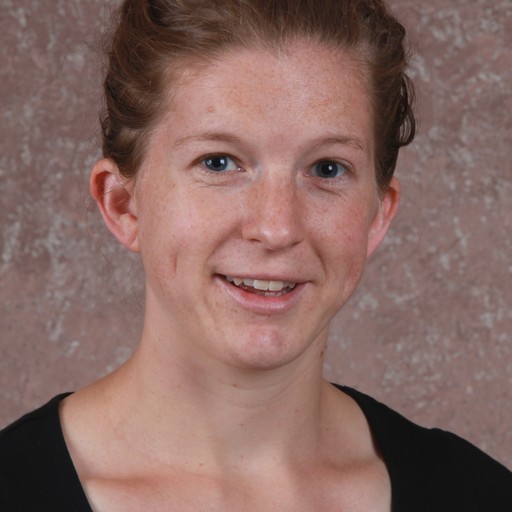
Sarah Strickland, MD FRCPC
Contributing Pathologist
Dr. Sarah Strickland is a pathologist and Assistant Professor in the Department of Pathology and Laboratory Medicine at the University of Ottawa, based at The Ottawa Hospital. Her interests include gynecologic and breast pathology.
Looking ahead
We continue to expand our library, develop new educational tools like Osler, and build partnerships with hospitals and healthcare organizations. Our goal remains the same: to ensure that every patient, wherever they live, has access to trusted, easy-to-understand explanations of their pathology and laboratory results.
For more information about this site, please contact us.
We are proud to partner with:

