Neutrophils: Definition
Neutrophils are a type of white blood cell and an important part of the body’s innate immune system, which is the body’s first line of defense against infection and injury. They are the most common type of white blood cell, making up between 50% and 80% of all white blood cells in the bloodstream.
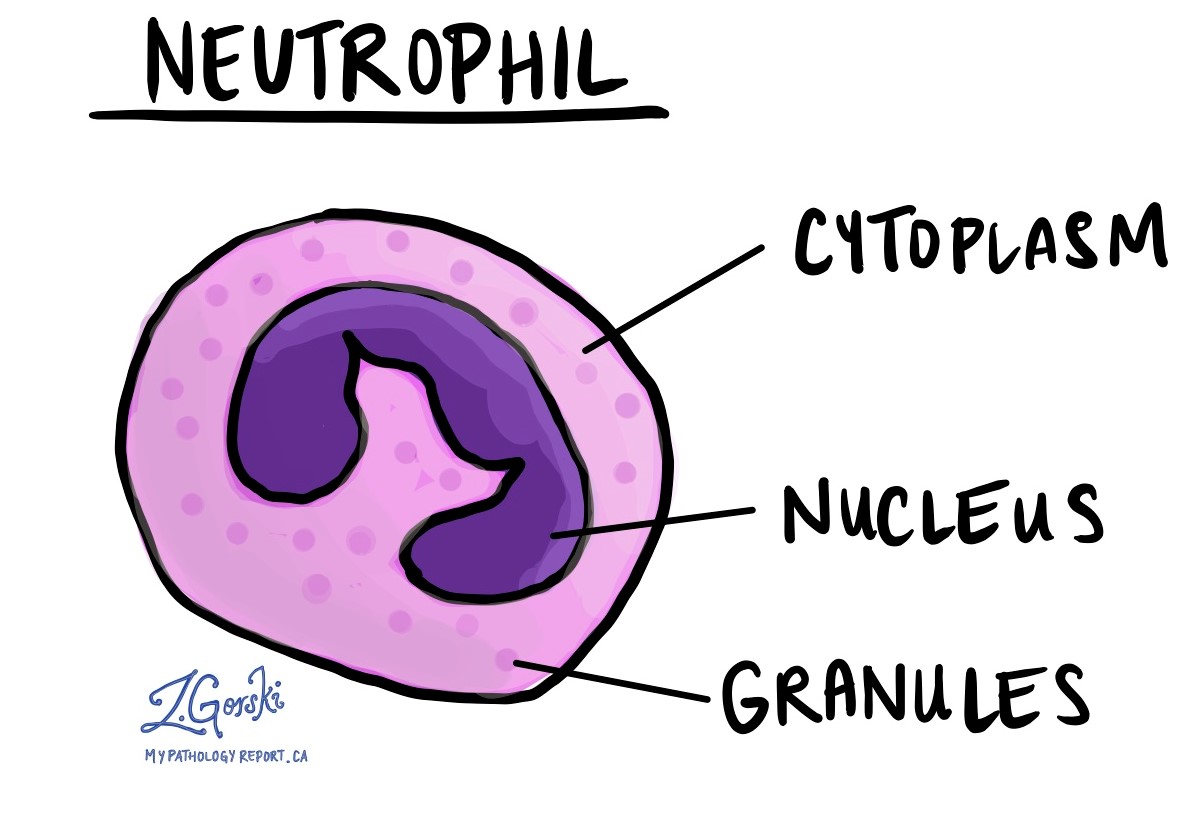
Neutrophils are especially important for fighting bacterial and fungal infections. They respond quickly to signs of infection or tissue damage and are usually the first immune cells to arrive at the site of injury.
What do neutrophils do?
Neutrophils are specialized to detect, kill, and remove microorganisms, such as bacteria and fungi. Once they reach the site of infection or injury, they:
-
Surround and engulf harmful microbes through a process called phagocytosis.
-
Release chemical substances that kill microbes and signal other immune cells to respond.
-
Help to remove damaged tissue and begin the healing process.
Because they act quickly and powerfully, neutrophils are a key part of the body’s acute inflammatory response—the short-term, early phase of inflammation.
What is pus and what is an abscess?
When neutrophils collect at a site of infection or injury, they form a visible reaction in the tissue:
-
A group of neutrophils in tissue is called an abscess, which is a pocket of inflammation and infection.
-
A large buildup of dead neutrophils, bacteria, and damaged tissue is called pus.
The presence of pus or an abscess is often a sign of an active bacterial infection that the immune system is trying to control.
Where are neutrophils normally found?
Neutrophils are produced in the bone marrow, the soft tissue inside bones that makes blood cells. After they are made, neutrophils enter the bloodstream and travel to different parts of the body.
When the body detects signs of infection or injury, it sends signals that attract neutrophils to the affected area. Once they arrive, they move out of the blood vessels and into the tissues, where they begin to fight infection and clear damaged cells.
Neutrophils are typically not found in healthy tissues, so their presence under the microscope often indicates the presence of inflammation or infection.
What does it mean if neutrophils are mentioned in a pathology report?
If your pathology report mentions neutrophils, it likely indicates that inflammation is present in the tissue sample. Possible causes include:
-
A bacterial infection.
-
A fungal infection.
-
Recent injury or trauma.
-
A reaction to foreign material or medical treatments.
The number of neutrophils and their appearance under the microscope can help the pathologist determine whether the inflammation is acute (recent and active) or chronic (long-lasting or healing).
In some cases, neutrophils may be seen in tissue even if no infection is found, such as after a recent biopsy, surgery, or trauma.
What happens if the body does not have enough neutrophils?
A low neutrophil count, known as neutropenia, can make it more difficult for the body to fight infections.
Neutropenia may occur as a result of:
-
Certain medications (such as chemotherapy).
-
Bone marrow disorders.
-
Autoimmune diseases.
-
Viral infections.
Individuals with neutropenia may require specialized care to prevent infections and may need treatments to stimulate neutrophil production.
Questions to ask your doctor
-
Why were neutrophils found in my tissue sample?
-
Does this mean I have an infection or inflammation?
-
Are any additional tests needed to find the cause?
-
Do I have a normal number of neutrophils in my blood?
-
What does this mean for my treatment or follow-up?