What is a tumor?
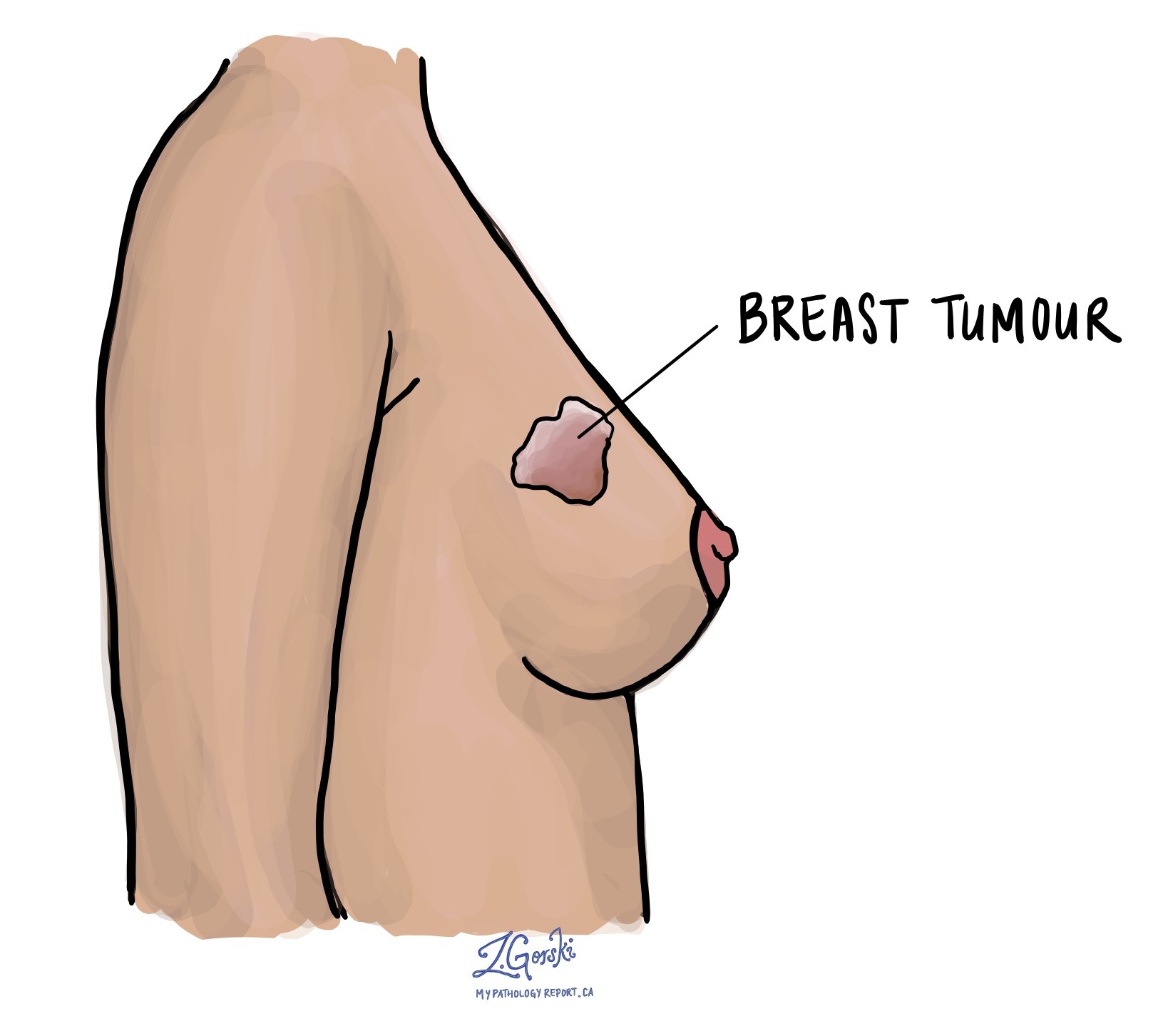
In pathology, the term tumour describes an abnormal growth of cells in the body. Normally, cells grow and divide in a controlled way. However, tumour cells multiply uncontrollably, forming a lump or mass. Tumours can develop anywhere in your body and can vary significantly in their appearance and behaviour.
How are tumours categorized?
Tumours are categorized into two main groups based on their behaviour and impact on health: benign and malignant.
-
Benign tumours: These tumours are not cancerous. They typically grow slowly, remain localized, and do not invade nearby tissues or spread to other parts of the body. Although benign tumours can occasionally cause problems—such as pain or pressure on nearby structures—they usually are not life-threatening and can often be successfully removed through surgery.
-
Malignant tumours: These tumours are cancerous. They tend to grow more rapidly, invade surrounding tissues, and can spread (metastasize) to distant areas of the body through the bloodstream or lymphatic system. Malignant tumours are potentially life-threatening if they are not detected and treated appropriately.
Does the word tumour mean cancer?
The word “tumour” does not automatically mean cancer. While all malignant tumours are cancerous, benign tumours are not. This is why it’s important for doctors to determine whether a tumour is benign or malignant. Knowing the difference helps guide treatment and gives a clearer understanding of the outlook (prognosis).
How do pathologists determine if a tumour is benign or malignant?
Pathologists are doctors who specialize in diagnosing diseases by examining tissues and cells under a microscope. To determine whether a tumour is benign or malignant, they examine several important features in tissue samples obtained from biopsies or surgical procedures:
-
Appearance of cells: Malignant tumour cells often appear abnormal compared to healthy cells. They may differ significantly in size, shape, and structure, and pathologists may describe them using terms like atypical or pleomorphic (varying shapes and sizes).
-
Growth patterns: Malignant tumours usually grow aggressively, invading and damaging nearby tissues. Specific patterns like perineural invasion (tumour cells growing around nerves) and lymphovascular invasion (tumour cells entering blood or lymph vessels) strongly suggest a malignant tumour. Benign tumours generally grow slowly and remain localized.
-
Cell division (mitosis): Malignant tumour cells typically divide rapidly, and pathologists look for increased numbers of dividing cells (mitotic figures) as a sign of malignancy.
-
Metastasis (spread to other organs): Finding tumour cells in distant locations clearly indicates that the tumour is malignant.
What does it mean if a tumour has uncertain malignant potential?
If a tumour is described as having uncertain malignant potential, this means pathologists cannot clearly determine if the tumour is benign or malignant based on the information available. These tumours have features that make their classification challenging. In such cases, doctors may recommend:
-
Additional testing or more extensive tissue sampling.
-
Regular monitoring to watch for changes in the tumour’s behaviour.
-
Close follow-up care and additional imaging or biopsies if needed.
This cautious approach helps ensure any changes are detected early, so the most appropriate treatment can be provided promptly.
Questions to ask your doctor
If your pathology report mentions the term tumour, consider asking your doctor:
-
Is my tumour benign or malignant?
-
What tests did you use to determine the nature of my tumour?
-
Will I need additional testing or follow-up care?
-
What treatment options are available if the tumour is malignant or uncertain?
Understanding the term “tumour” and how tumours are categorized can help you actively participate in your healthcare decisions and feel informed about your diagnosis and treatment options.